The picture you see in this post comes from the new fashion catalog of an Israeli designer store for women, Comme Il Faut. Comme Il Faut is a fashion store which adopts an interesting and controversial concept: selling expensive, well-tailored, chic clothing - but with a feminist edge. Their catalogues often feature a variety of Israeli women of all sizes, professions, ages and shapes; the glossy pages feature a variety of women in their seventies, lesbian couples, crossdressing men, large women, etc, who are mentioned by name, age and profession. On the store's shelves, in addition to shirts, dresses and pants, you'll find basic feminist literature (Simone de Beauvoir, bell hooks, Naomi Wolf) and newer books on women, violence, activism, body image, etc. The store and its image has been the focus of an animated feminist debate. Despite their commitment to fair trade, the Israeli-Palestinian peace process, equal pay and fair treatment for women, the store caters to upper-class women, the only ones who can afford their high-priced clothing, and is therefore somewhat of an exclusive space, which makes their radical feminist messages somewhat problematic.
This is, however, a blog about food and nutrition, which is why I want to discuss the store's latest campaign, titled "Bon Appetit, Honey". The catalog and motto of the summer season is to encourage women to eat heartily, to indulge themselves in food, to avoid depriving themselves of anything, and to reflect on body image and on food choices they make as a feminist issues. As you can see above, the summer catalogue sports beautiful women of all ilks heartily and happily biting into meat, pasta, cake, ice cream, etc, etc.
The store's focus on food is not surprising. Next to their flag store at the Tel Aviv Harbor, in a special and pampering compound, they have a fabulous cafe, serving great meals made with wholesome, organic ingredients, blended fruit and vegetable juices, and excellent homey desserts. The connection between womanhood, body, fashion and food is therefore a very immediate one. To make things more obvious, the current campaign is accompanied by a brochure explaining how the confinement of women to dietetic, barely-survival food has been a technique for debilitating and weakening women, and for establishing their place in society as people who primarily nourish others while depriving themselves of the joys of food.
Now, I have a lot of sympathy for messages aimed at liberating women from confining social institutions, and, in particular, the institution of fad dieting and pleasure avoidance. So, notwithstanding my criticism of the campaign which will follow, I am happy to see these messages infiltrate our consciousness and take up space which, otherwise, would have been taken up by anorexic 15-year-olds. The store's guest book features an entry from a young woman with anorexia, who tells them that she hung the catalogue in the wing where she, and other anorexic girls, are hospitalized, and they get a lot of encouragement out of it. Can't say this, in itself, is a negative trend. Not only that, but some of my clothes, I confess, were purchased in Comme Il Faut, and these ladies are truly talented, so I can't really begrudge them too much. However. (of course there's a "however"; you should know me already).
Comme Il Faut is a fashion house. A fashion house, albeit an idealist, activist one, is all about selling clothes. Clothes are designed to make women look their best, and this "best" can't be entirely disconnected from social notions of what looks well and what doesn't. Moreover, Comme Il Faut is a fashion house that, shall we put it bluntly? sells clothes to upper- and middle-class women. Affluent women. Women who have enough social cache, resources and leisure to be concerned in many ways about their looks and grooming. It is very probable that many of the customers are those who engage in several delightful activities, like the botox injections we discussed earlier. It is naive to expect that this population will be genuinely moved, by the store's message, and order a large dish of ice-cream at the cafe. After all, wouldn't they want to look their best in their newly purchased gorgeous clothes? Yes, it's important that Comme Il Faut is talking the talk. But let's not be illusioned into thinking that their customers are likely to walk the walk.
What we have here, ladies, is excellent, politically-correct (and I say this in the most positive, irony-free sense of the word), healthy, empowering ideology, at the service of our old pal, capitalism. Indeed, by shopping at Comme Il Faut we are more likely to contribute to fair salaries of female workers who are treated like family, and to donations to various peace organizations. But primarily, we are contributing to the wealth of an extremely successful enterprise for profit. Let's not forget that (the same can be said about shopping at feel-good, organic, cruelty-free beauty shops: here's what my thoughtful new pal (hopefully), Carmit, has to say, in Hebrew, about the Body Shop). The empowering messages make this contribution more palatable, but they don't cancel out its existence. The more extreme radicals might say that, by having these messages supposedly broadcasted by the hegemony, we are numbing women from engaging in ideological battles (why go out to the streets in protest when we can purchase another gorgeous pair of pants and feel good about it?) - but I'm not sure the situation is made so much worse by this campaign. It just isn't made as better as we'd hope for.
And here's where I come to the actual issue - the food. The catalogue is encouraging women not to leave the steak, cake and ice cream to the men, and to engage in the world of sensual culinary pleasure. Yay! Yay? I'm not so sure. I'm not sure that feminism is well served by encouraging women to consume red meat, white bread, sugars and sweets. Indeed, dammit, it's annoying that food is such a gendered field. It's annoying that social conventions are regulating different food consumption regimes for women and men. The answer is not to clog our collective arteries in a gender blind fashion. Folks, if we want to conquer the world, what's going to help us do it? What is going to make us stronger and healthier so we have energy for social reform? A sugar crash from a chocolate cake, or a nice bowl of brown rice and beans with steamed vegetables? Depriving outselves of calories is never a good idea; but depriving ourselves of nutrients which make us competent and help our bodies help us isn't any better.
My argument here isn't abstract. The personal is political. So here it goes. My health comes from months of making a conscious effort to eat extremely healthy food. Yes, I've lost weight, but I also feel a lot better, phsicaly. Making the effort to eat wholesome and organic was one of the best things I ever did for myself and I refuse to be told that it was a weakening, unfeminist thing to do. How, exactly, would a message encouraging the consumption of ice cream be helpful or empowering for my life? And why does health need to be equated with deprivation? Isn't this message, in itself, unfeminist, by buying into the existing capitalist foodchain which makes sustainable, organic farming, so removed from the reality of working-class family nutrition? Is it only possible to enjoy life by consuming red meat? Is clogging our arteries the best method we can think about for subverting patriarchy?
Naaaaaah.
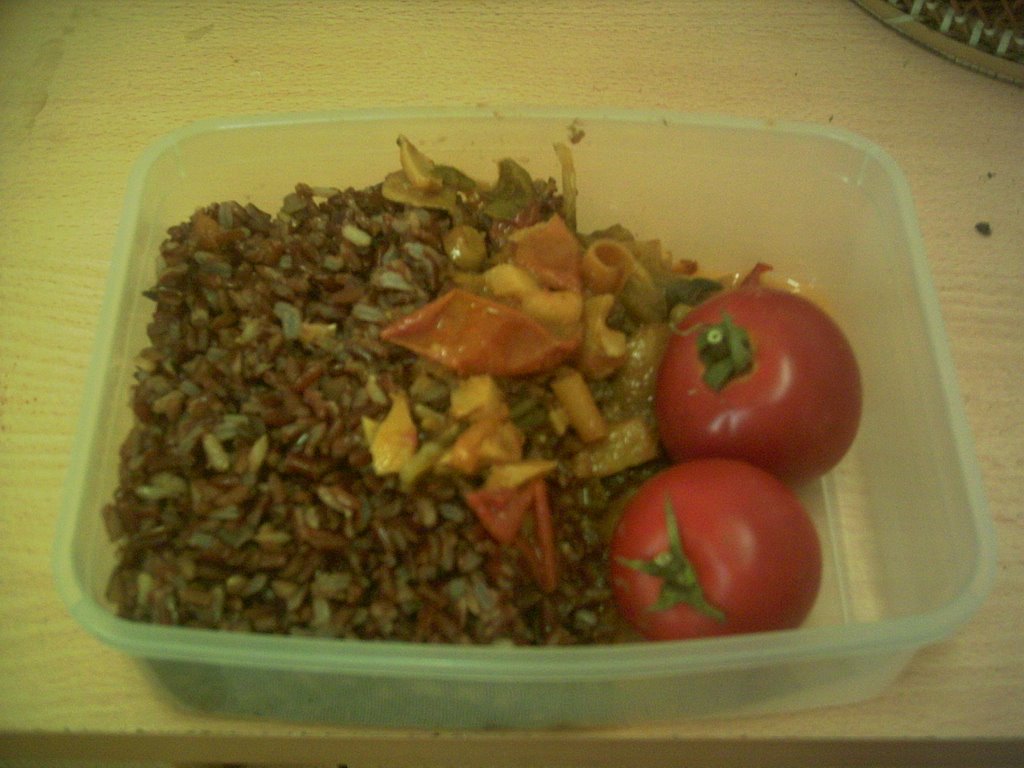
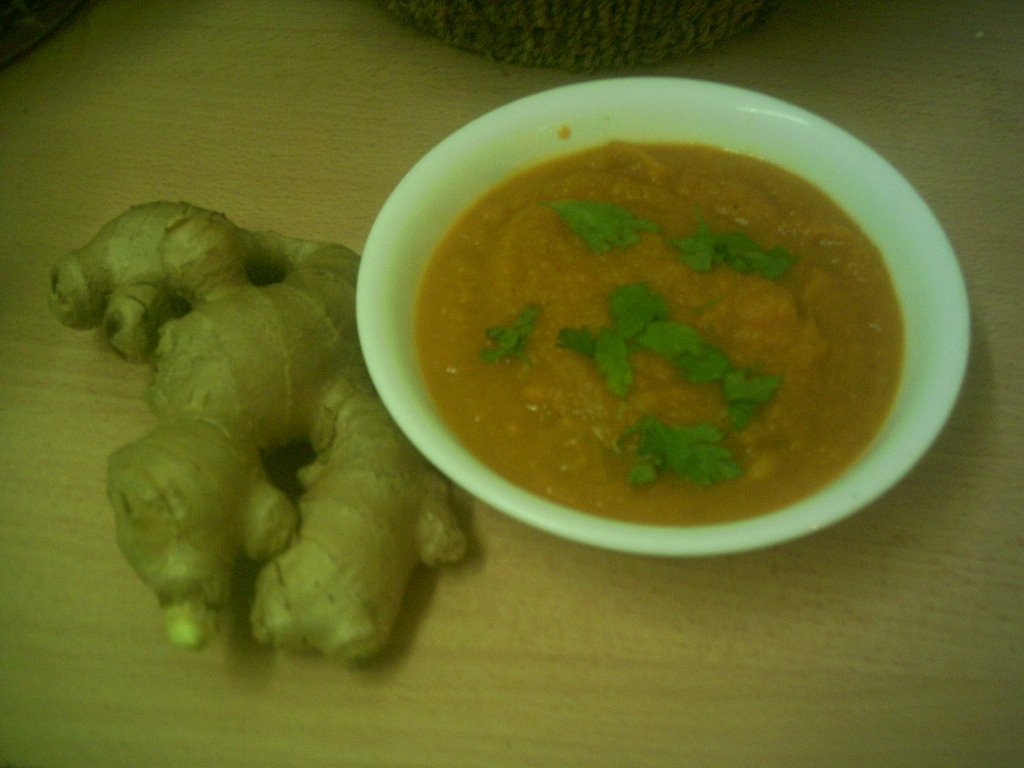
If we want real feminist power, of course we must oppose any message that we should starve outselves to fit anyone's image of beauty. But we must equally oppose any half-baked message that tells us to give up our health and livelihood in the name of feminism. You hungry, girl? Spend the time to make yourself a nice bowl of grains and greens. Grab a nice plate of hummus, and wipe it off the plate with whole-grain pita. Eat a hearty vegetable stew, then lick the plate. Enjoy a refreshing drink of cultured yogurt. Support whoever works hard to grow and supply you with the ingredients for healthy, satisfying meals. Go for a nice walk, fill your lungs with fresh air, and think how lucky you are to live where healthy fresh food is readily available for you. The first step for causing postive change in the world is taking good care of ourselves, so that we have the most important resource - our health - at our hands when we do so. The next stage, is to make this health, through local, sustainable food, available to all. Now that's real power, and surely if we've done that, or at least done our share for ourselves and for others, we all (regardless of our income) deserve a nice, comfortable, well-tailored pair of pants.